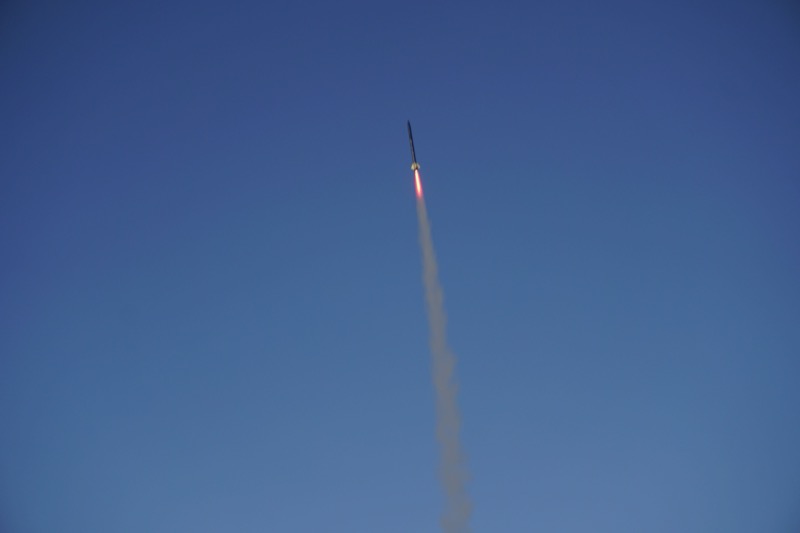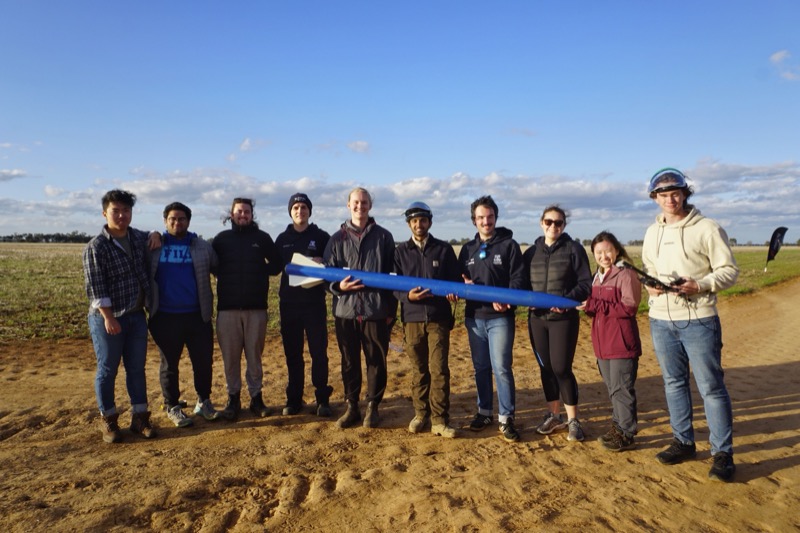
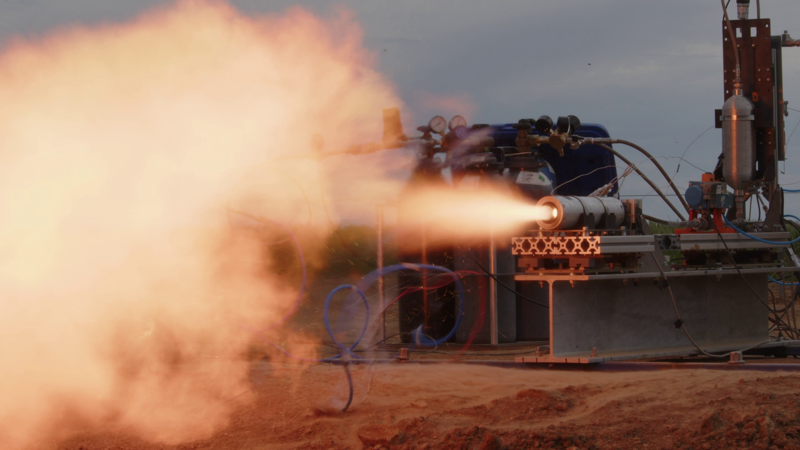
Odyssey is ARES' current project and represents the team's most ambitious undertaking to date. Odyssey will be ARES' first entirely student-researched and developed rocket, including a student-built hybrid rocket engine. Targeting a 10,000 ft apogee at the 2027 International Rocket Engineering Competition, Odyssey is a huge leap forwards in the team's technological and operational abilities.
Alongside the team's new hybrid rocket engine, named Genesis, ARES is developing multiple novel technologies such as side-hatch deployment, improved retractable rail guides and air brakes, and a comprehensive telemetry network with custom transfer protocol. ARES plans to host an initial test of Odyssey in late 2026 at the Australian Universities Rocket Competition in New South Wales.
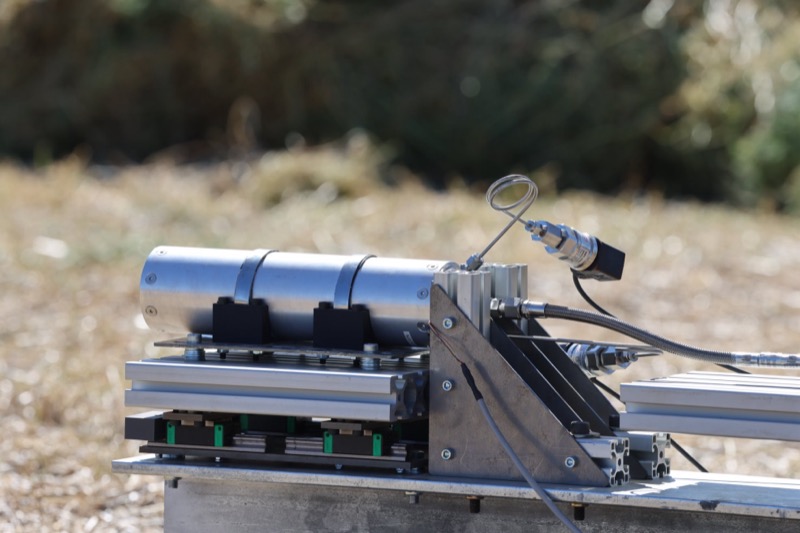
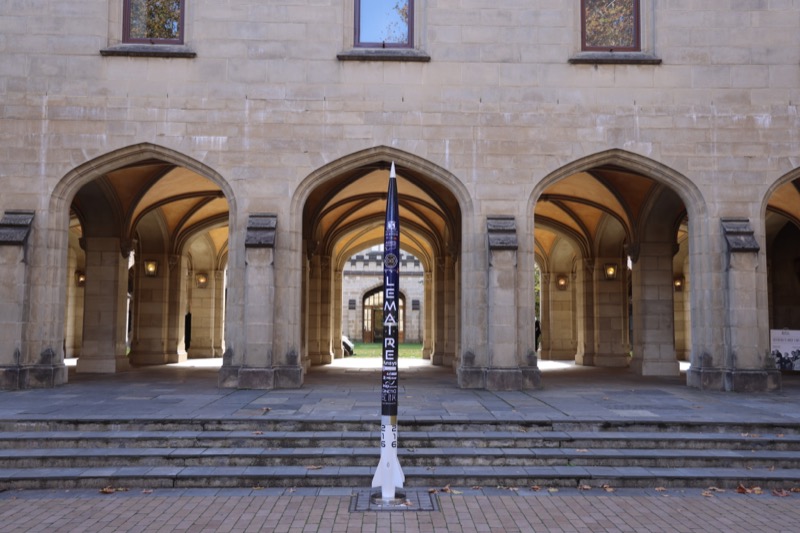
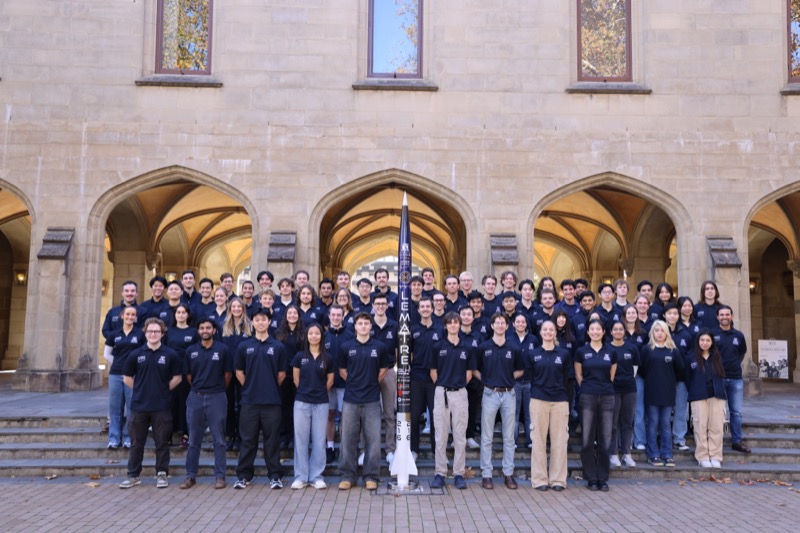
Lemaire was ARES' entry to the 2025 International Rocket Engineering Competition, in the 30,000 ft commercial-off-the-shelf category. The 2025 competition was held for the first time in Midland, Texas, instead of the typical New Mexico launch location. Lemaire aimed to improve upon the novel systems designed during Florence's development.
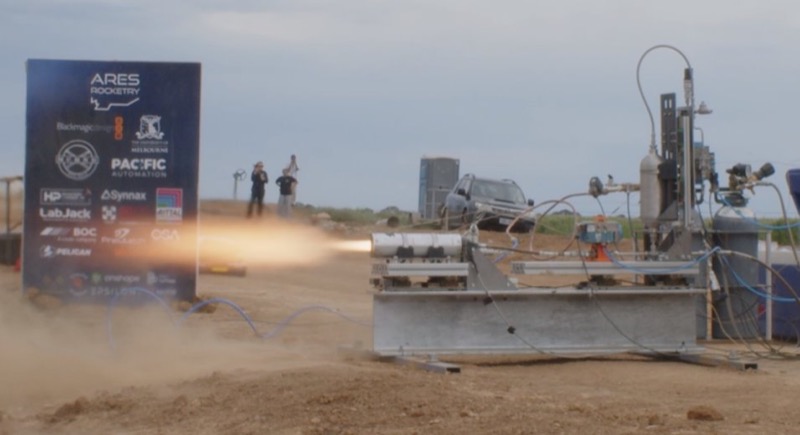
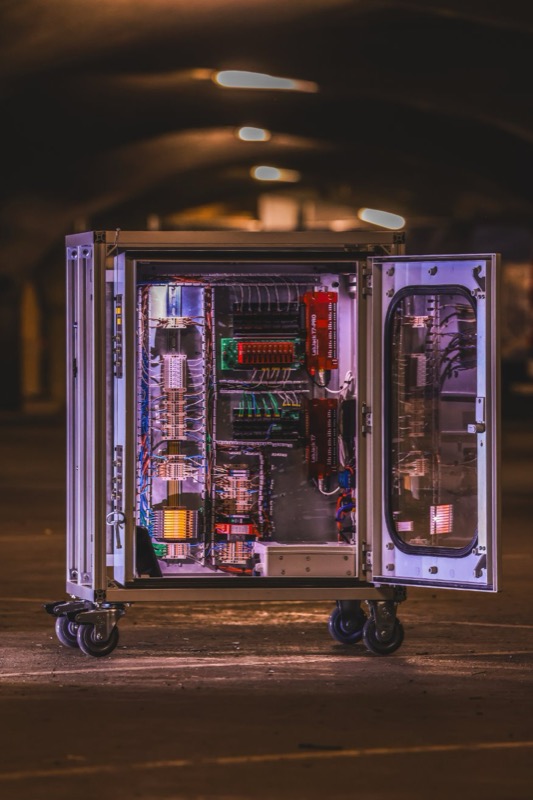
The team developed retractable rail guides leading to significant drag reduction and upgraded ARES' air brake control algorithm to use a neural network for look-up table data compression. This neural network was selected for presentation in a podium session at competition. Lemaire's project cycle also saw the beginnings of ARES' hybrid rocket program, which would see the development of a sub-scale hybrid rocket engine, test stand, and data acquisition system. Lemaire was launched to an altitude of 28,460 ft, with a recovery system failure leading to some airframe damage. Lemaire placed 5th in its category and 38th overall out of 145 teams.
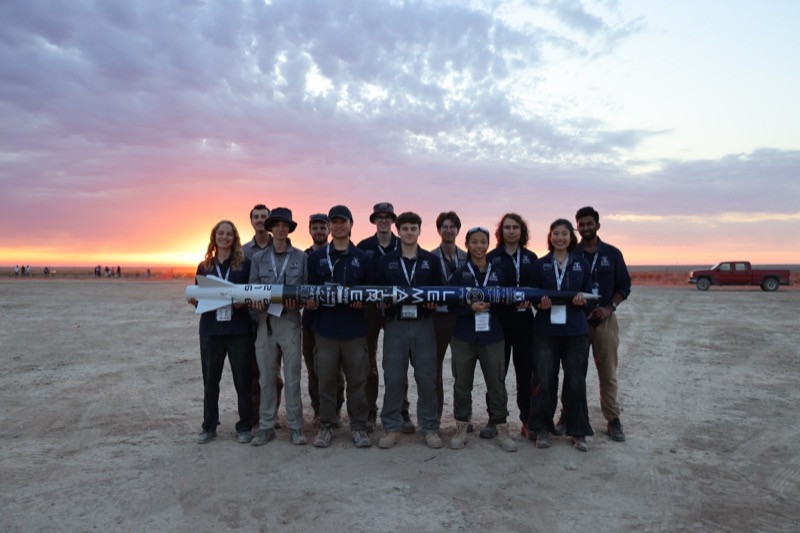
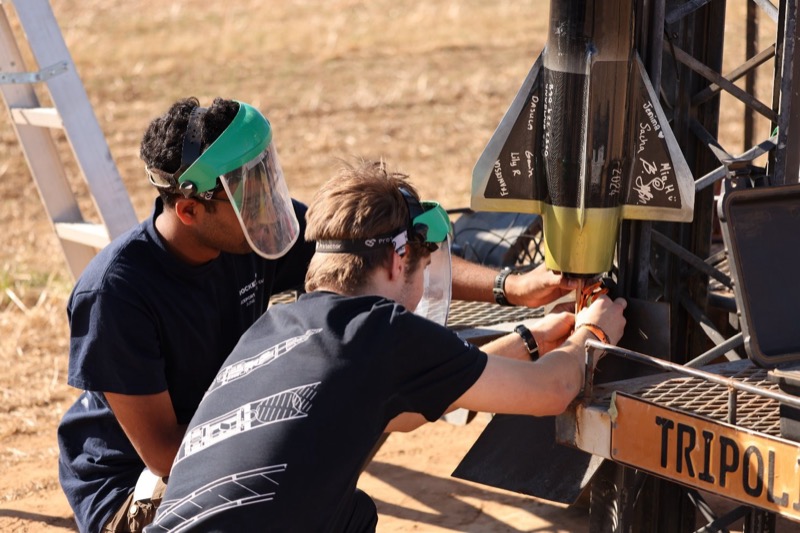
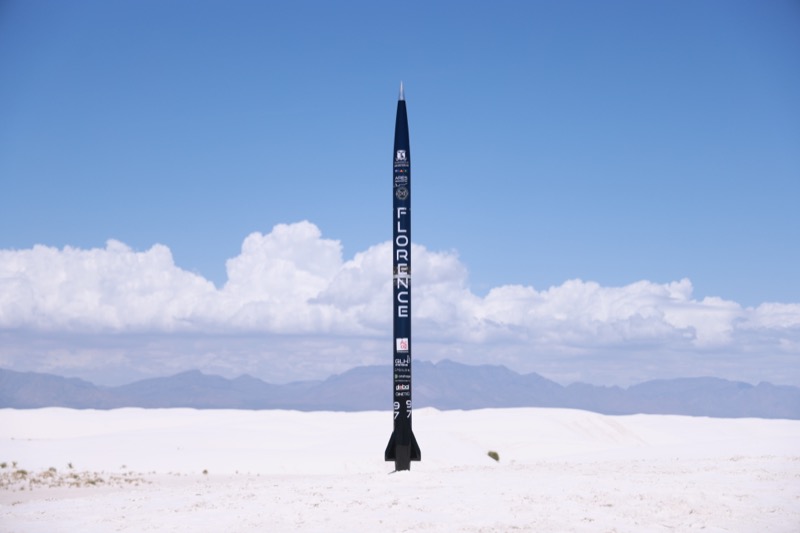
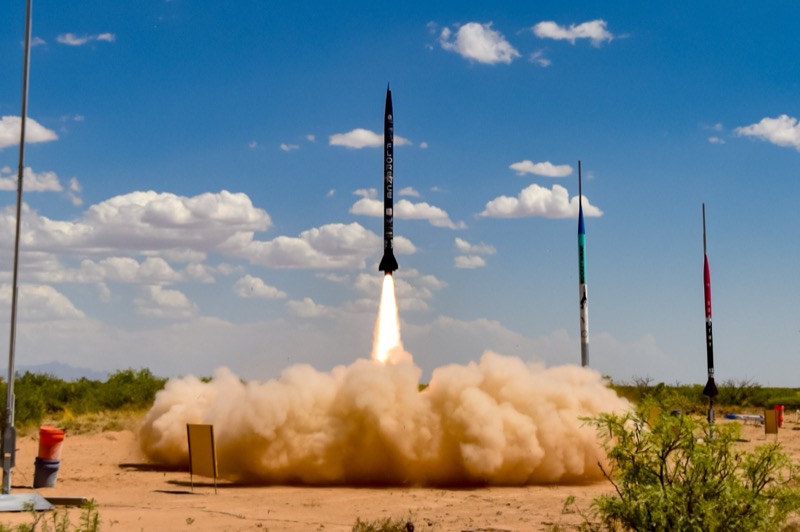
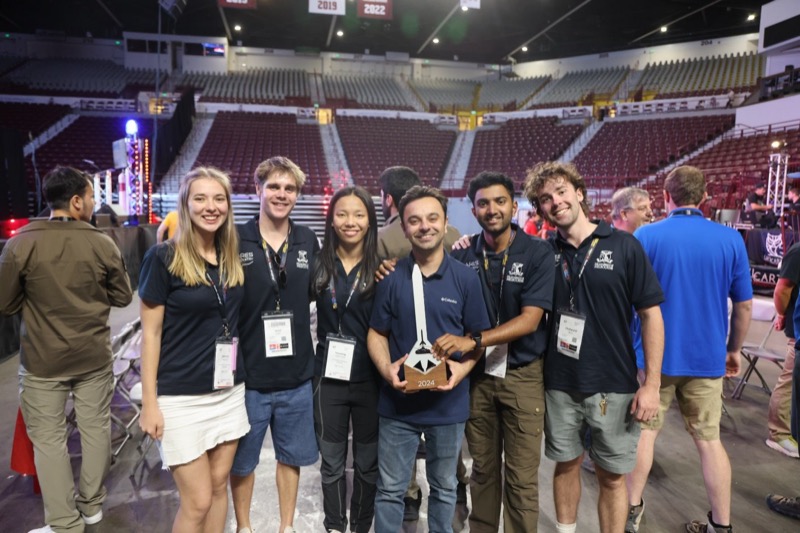
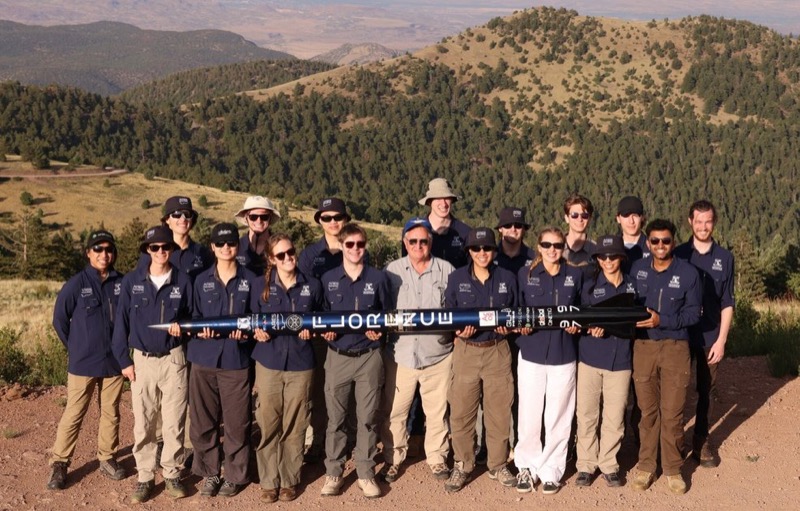
Florence, ARES' entry to the 2024 Spaceport America Cup in the 30,000 ft commercial-off-the-shelf category, is the team's most successful rocket to date. Florence was ARES' first single-diameter rocket, a decision made to avoid structural failures akin to that of Deimos in 2023. This required an increased overall diameter which necessitated a single-separation recovery scheme, which ARES developed in conjunction with local Melbourne skydivers.
Florence was also the team's first rocket featuring air brakes, a system which used model-predictive control to dynamically extend and retract control surfaces allowing precise apogee targeting. Florence launched to an altitude of 29,782 ft, placing ARES 2nd in the 30,000 ft COTS category and 4th overall out of 152 teams.
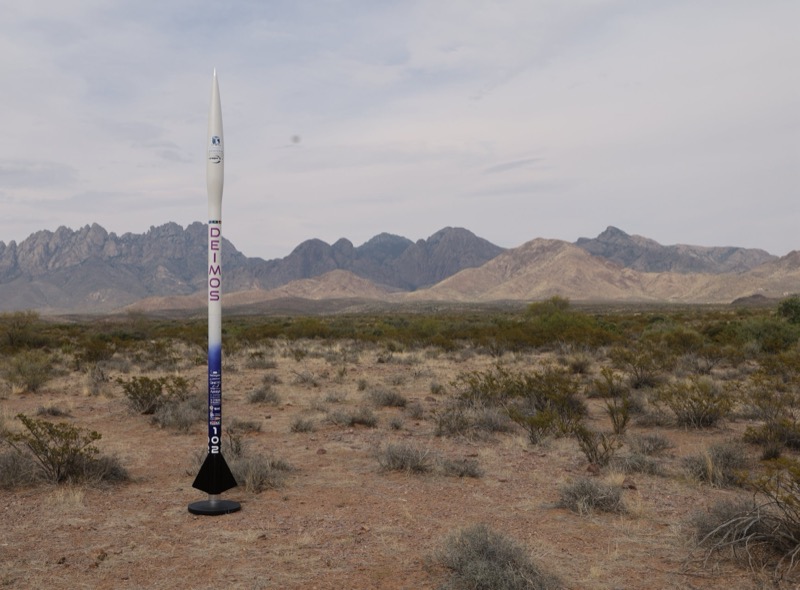
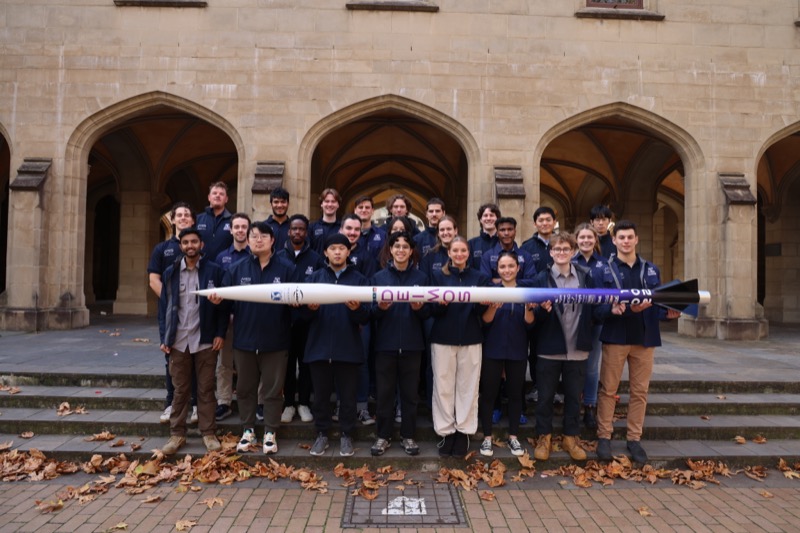
Deimos was ARES' first entry into the 30,000 ft commercial-off-the-shelf category at the 2023 Spaceport America Cup (now International Rocket Engineering Competition). Deimos represented a big step forward in the team's technical abilities, seeing numerous student-designed systems such as a CO2 parachute ejection mechanism and the team's first CNC machined metal parts flying on the rocket.
Deimos, like Phobos, featured an aerodynamic transition for increased altitude performance. Deimos was ARES' first rocket to fly the team's student-developed flight computer Hermes, which was chosen for presentation in a podium session at the competition. Deimos suffered a catastrophic failure at an altitude of 7,000 ft which caused its airframe to be destroyed. ARES placed 9th for design and build quality, but the team's flight performance score led to an overall rank of 74 out of 119 teams.
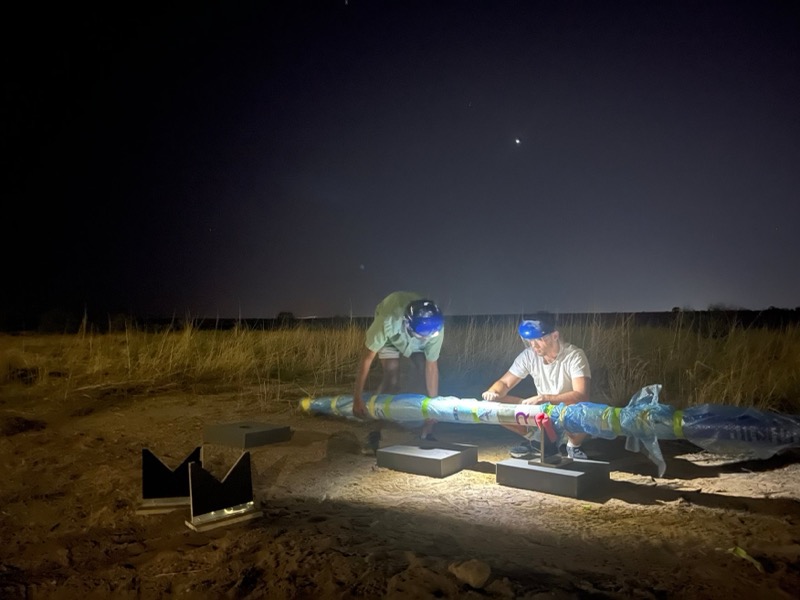
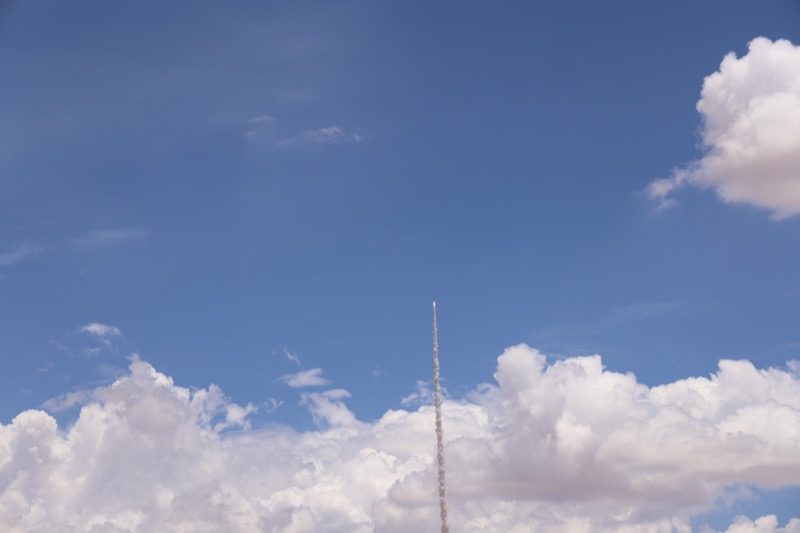
Phobos was ARES' first competition rocket, launched at the 2022 Spaceport America Cup (now International Rocket Engineering Competition) in the 10,000 ft commercial-off-the-shelf category. Phobos was unique in that it launched on an L2 motor instead of a typical L3, due to the team's lack of access to an L3 flyer of record at the time.
Launching on a lower-power motor required the implementation of an aerodynamic transition to minimise drag while allowing a full-sized scientific payload. Phobos was an enormous challenge for ARES to tackle in its infancy, both in terms of engineering complexity and logistical challenges in transporting a rocket to the United States. The rocket's aerodynamic transition was chosen as a topic for a podium presentation at the competition. Phobos was launched successfully to an altitude of 10,802 ft but suffered a recovery failure leading to moderate damage of the airframe on landing. This placed ARES 29th out of 98 teams, a commendable effort for a first competition. Additionally, ARES was awarded the Charles Hoult Award for Modelling and Simulation for the team's work analysing and manufacturing Phobos' aerodynamic transition.
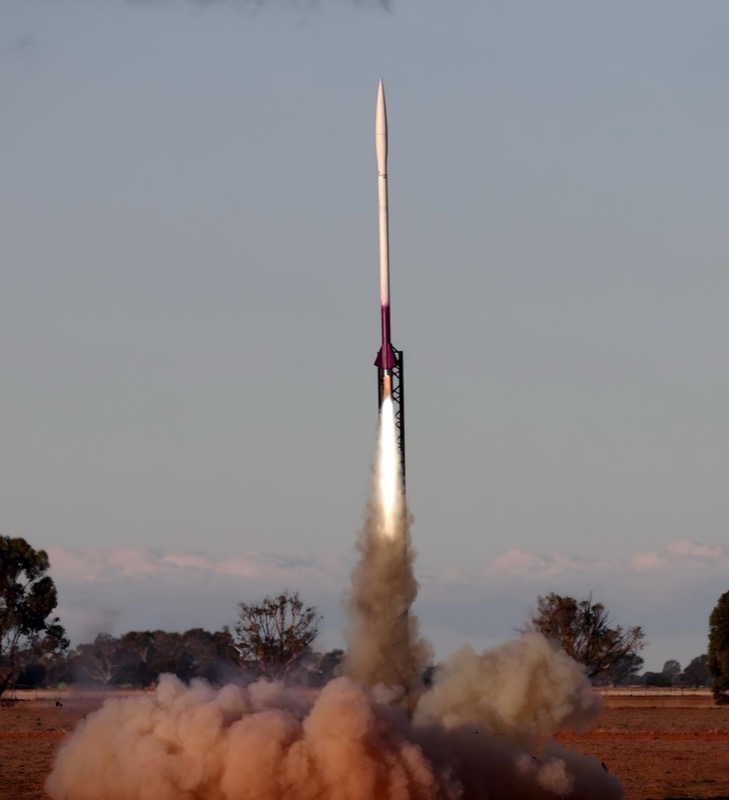
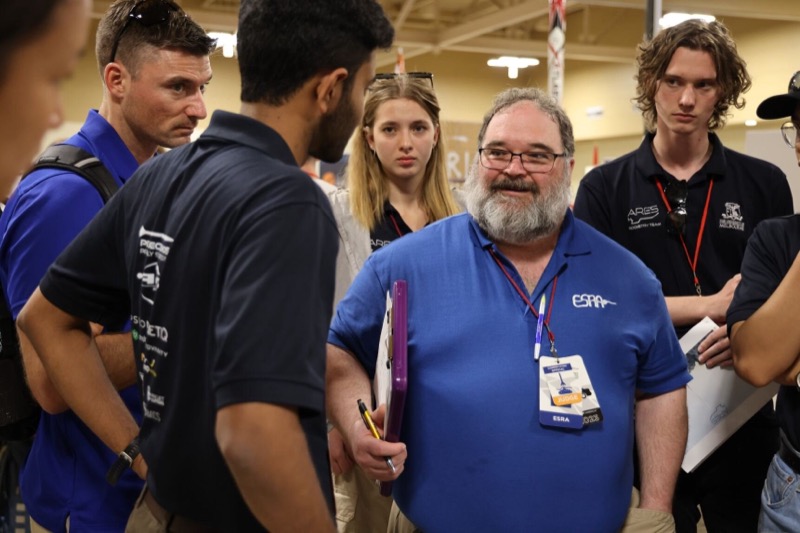
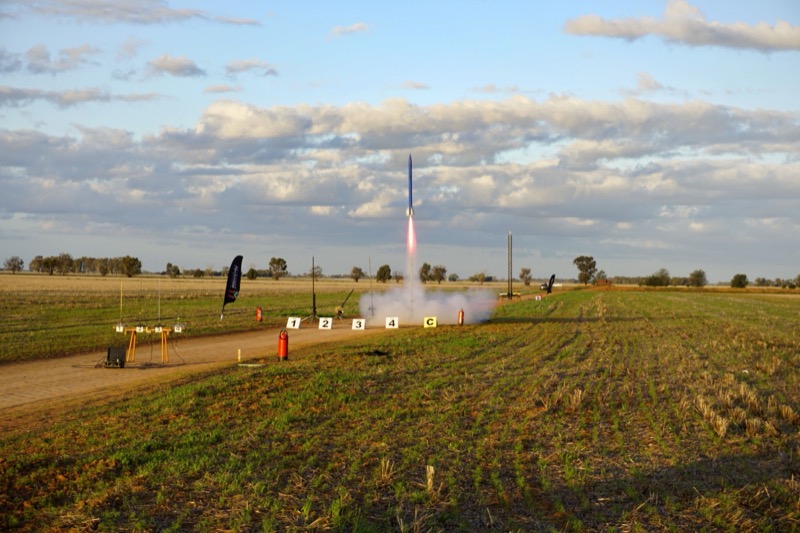
Big Blue was ARES' first ever team rocket, built and launched in early 2022. A tank of a rocket, Big Blue was constructed from Bunnings PVC pipe, plywood, and as much fibreglass as it could hold. The rocket was launched for the first time in March 2022 on an L-class motor at Serpentine, Victoria and performed nominally.
Big Blue, whilst a short project, paved the way for Project Phobos and all of ARES' competitions rockets to follow. The rocket stands proudly on display next to its successors in ARES' workshop as a reminder of how far the team has come.